In today’s fast-paced world, safe dating has never been more important, especially for young adults who are navigating the complexities of relationships for the first time. With the rise of technology and social media, dating has evolved significantly, presenting both exciting opportunities and potential challenges. As young adults step into this new realm, they often find themselves overwhelmed by a myriad of options and uncertainties about how to protect their emotional and physical well-being. Understanding how to date safely is crucial not just for personal safety but also for fostering healthy relationships built on trust and respect. Whether you’re meeting someone online or going out for a casual coffee date, knowing the essential has never been more important, especially for young adults who are navigating the complexities of relationships for the first time. With the rise of technology and social media, dating has evolved significantly, presenting both exciting opportunities and potential challenges. As young adults step into this new realm, they often find themselves overwhelmed by a myriad of options and uncertainties about how to protect their emotional and physical well-being. Understanding how to date safely is crucial not just for personal safety but also for fostering healthy relationships built on trust and respect. Whether you’re meeting someone online or going out for a casual coffee date, knowing the essential safe dating tips can help you make informed choices and enjoy your experiences to the fullest. This article aims to equip you with practical advice and insights that can guide you in creating safe, enjoyable, and meaningful connections.
From recognizing red flags to practicing clear communication, we will explore various strategies that ensure your dating journey is not only fun but also secure. Join us as we dive into the vital aspects of safe dating tailored specifically for young adults, empowering you to take charge of your dating life confidently. Safe dating is an essential aspect of navigating relationships, particularly for young adults who may be exploring romantic connections for the first time. Understanding consent is a fundamental component of safe dating. Consent means that both partners agree to engage in any activity, and it should be clear, mutual, and ongoing.
It’s important to communicate openly about what you are comfortable with and to respect each other’s boundaries. Healthy boundaries can help establish a foundation of trust and respect in a relationship. Open communication about sexual healthsexual health is also crucial when dating. This includes discussing any sexually transmitted infections (STIs), contraception, and sexual preferences with your partner. Being proactive in these conversations not only promotes a safer experience but also fosters intimacy and understanding between partners.
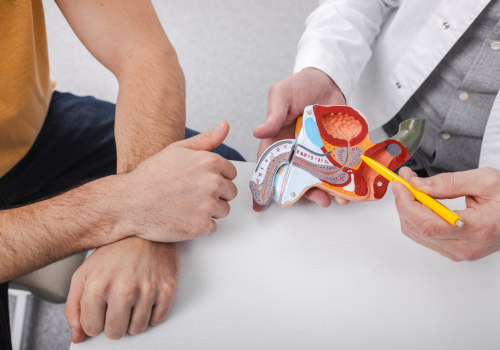
It’s perfectly normal to feel nervous about these discussions; however, approaching the topic with honesty and openness can make it easier for both parties. As you navigate relationships, it is vital to assess relationship dynamics and recognize red flags that may indicate unhealthy or potentially harmful situations. For example, if a partner is overly possessive, dismisses your feelings, or pressures you into doing things you’re uncomfortable with, these are signs to reconsider the relationship. Trust your instincts; if something feels off, it’s essential to take a step back and evaluate whether the relationship is healthy. When it comes to sexual health resources, knowing where to find support is incredibly important. A 'sex doctor' or sexual health professional can provide valuable information regarding sexual wellness, answer any questions you may have, and help address concerns related to STIs or contraception.
You can typically find these professionals through local clinics, hospitals, or community health organizations. Many areas also offer confidential hotlines or online resources where you can get advice anonymously. The importance of protection cannot be overstated when it comes to safe sex practices. Using condoms or dental dams can significantly reduce the risk of STIs and unintended pregnancies. It’s essential to discuss protection methods with your partner before engaging in sexual activity.
Remember that both partners should take responsibility for ensuring safety during intimate moments. In addition to physical safety, emotional safety plays a crucial role in healthy relationships. Young adults should prioritize their mental health and recognize when they might need support. Engaging in self-care activities, such as spending time with friends, pursuing hobbies, or seeking professional help when feeling overwhelmed, can contribute positively to emotional well-being. If you find yourself feeling anxious or unhappy in a relationship, don’t hesitate to reach out for help from trusted friends or mental health professionals. Real-life scenarios can often illustrate the importance of these concepts more clearly.
For instance, consider a situation where one partner wants to engage in sexual activity but the other feels unsure. In a healthy relationship, both partners would engage in open dialogue about their feelings, allowing the hesitant partner to express concerns without fear of judgment or pressure. If the conversation leads to mutual agreement and understanding about waiting until both feel ready, this reinforces the importance of consent and communication. Misconceptions about safe dating practices often lead to confusion among young adults. Some may believe that discussing sexual health is unnecessary or that using protection diminishes pleasure.
In reality, these conversations are vital for ensuring both partners feel secure and respected. Engaging in safe sex practices does not detract from intimacy; rather, it enhances trust and connection within the relationship. Ultimately, safe dating is about prioritizing yourself and your partner’s well-being. By understanding consent, communicating openly about sexual health, recognizing red flags, utilizing available resources, practicing safe sex, and focusing on emotional safety, young adults can navigate their dating lives responsibly. These principles not only foster healthier relationships but also contribute positively to individual growth and self-awareness.
Understanding Consent and Boundaries
Consent is a fundamental aspect of any relationship, serving as the foundation for trust and mutual respect.It refers to the agreement between individuals to engage in specific activities, whether they be physical, emotional, or sexual. Understanding consent is crucial because it ensures that all parties involved feel comfortable and respected in their choices. In healthy relationships, consent should be clear, enthusiastic, and ongoing. This means that both individuals should communicate openly about their desires and boundaries. It is important to remember that consent can be revoked at any time; if one person feels uncomfortable or changes their mind, their feelings must be honored without question. The importance of consent extends beyond just physical interactions.
Emotional boundaries also play a significant role in relationships. Both partners should feel free to express their feelings and limits without fear of judgment or pressure. Establishing these boundaries helps to create a safe space where individuals can thrive and feel valued. Ultimately, understanding consent and boundaries is essential for young adults as they navigate dating. It empowers them to make informed decisions, fosters healthy communication, and promotes emotional well-being in all types of relationships.
Emotional Safety and Mental Well-Being
Emotional safety is a crucial aspect of any healthy relationship, especially for young adults who are exploring the complexities of dating.It involves creating an environment where both partners feel respected, valued, and free to express their thoughts and feelings without fear of judgment or harm. Establishing emotional safety helps build trust, which is essential for a fulfilling and supportive relationship. Young adults often face various pressures when it comes to dating, including societal expectations and personal insecurities. Therefore, it's important to prioritize mental well-being while navigating these relationships. Recognizing your own emotions, setting boundaries, and being aware of red flags in a partner's behavior can significantly enhance your emotional health. If you ever feel uncomfortable or unsafe in a relationship, it's vital to seek support.
Many resources are available to help young adults manage their emotional safety and mental well-being. Consider reaching out to trusted friends or family members for advice or support. Additionally, counseling services or hotlines can provide professional guidance tailored to your specific situation. Remember that prioritizing your emotional safety is not just about protecting yourself from negative experiences; it's also about fostering positive relationships that contribute to your overall happiness and growth. By being aware of your needs and seeking help when necessary, you can create a dating experience that is both safe and enriching.
Safe Sex Practices: Protecting Yourself and Your Partner
Engaging in safe sex is a crucial aspect of any healthy relationship, especially for young adults who are exploring their sexuality.To protect yourself and your partner, it's essential to understand and implement effective safe sex practices. First and foremost, always use condoms. They are one of the most effective methods for preventing sexually transmitted infections (STIs) and unintended pregnancies. Make sure to check the expiration date and store them in a cool, dry place. In addition to condoms, consider using other forms of protection, such as dental dams for oral sex.
These barriers can significantly reduce the risk of transmitting infections. Always communicate with your partner about which methods you will use. Regular STI testing is another vital part of maintaining sexual health. Both partners should get tested before becoming sexually active with each other. This practice not only fosters trust but also ensures that both individuals are aware of their sexual health status. Moreover, open communication about sexual history and preferences is fundamental.
Discussing these topics can help both partners feel more comfortable and informed about their sexual relationship. Lastly, be aware of your own body and any changes that may occur. If you notice any unusual symptoms, such as sores or unusual discharge, seek medical advice promptly. Early detection and treatment can prevent further complications. By following these safe sex practices, young adults can enjoy their relationships while minimizing health risks. Remember, safety in dating extends beyond physical health; it encompasses emotional well-being too.
Sexual Health Resources: Finding Professional Help
When it comes to safe dating, understanding your sexual health is crucial.Young adults should feel empowered to seek out professional help when needed. Here are some resources and tips on how to find the right support. First, consider visiting a local healthcare provider or clinic. Many clinics offer specialized services in sexual health, including screenings for sexually transmitted infections (STIs), contraception counseling, and general sexual health education. You can search online for clinics in your area or check with your primary care physician for recommendations. Another valuable resource is Planned Parenthood, which provides a range of sexual health services.
They have locations across the country and offer confidential advice, medical services, and educational resources tailored for young adults. Visit their website to find a clinic near you and explore the services they offer. If you prefer a more personal approach, consider talking to a trusted adult or a counselor. School counselors or mental health professionals can provide guidance on navigating relationships and can refer you to sexual health experts if necessary. Additionally, online platforms can be an excellent way to access information and support. Websites like the American Sexual Health Association (ASHA) offer comprehensive information on various aspects of sexual health.
They also have directories to help you find professionals in your area. Remember, seeking help is a sign of strength. Whether you have questions about sexual health, consent, or emotional well-being, there are many resources available to support you on your journey to safe and responsible dating.
Open Communication About Sexual Health
When it comes to dating, one of the most critical aspects is open communication about sexual health. It can be challenging to bring up these topics, but having honest conversations with your partner is essential for building trust and ensuring both partners feel safe and respected. Start by choosing the right time and place for the conversation. Make sure you are both comfortable and free from distractions.You might say something like, "I think it's important for us to talk about our sexual health and what that means for our relationship." This sets a positive tone and shows that you care about each other's well-being. Be honest about your own sexual history and any concerns you may have. Discuss the importance of getting tested for sexually transmitted infections (STIs) and how often you should consider testing based on your activities. You can also talk about contraceptive methods and what options you both feel comfortable using. Don’t forget to discuss boundaries and consent. Make sure both partners understand each other’s limits and comfort levels.
It’s crucial that both of you feel empowered to express your desires or concerns without fear of judgment. You might say, "I want to make sure we’re both comfortable with what we’re doing together, so let’s talk about our boundaries."Remember, communication is an ongoing process. Check in with each other regularly about how you're feeling in the relationship and any changes in sexual health status. This not only strengthens your connection but also promotes a culture of safety and respect in your relationship. By prioritizing open communication about sexual health, young adults can foster healthier relationships that are built on trust and mutual respect.
Recognizing Red Flags in Relationships
In any relationship, it’s crucial for young adults to be aware of red flags that may indicate an unhealthy dynamic.Recognizing these signs early can help prevent emotional distress and ensure a safer dating experience. One common red flag is controlling behavior. If a partner tries to dictate what you wear, who you can spend time with, or constantly checks your phone, it’s a sign of possessiveness that can escalate over time. Another warning sign is disrespectful communication. This includes belittling comments, insults, or a lack of consideration for your feelings. Healthy relationships are built on mutual respect and understanding.
Lack of trust
is also a significant red flag.If your partner frequently questions your loyalty or accuses you of things without cause, this can create an unhealthy atmosphere filled with insecurity. Additionally, be cautious if you notice excessive jealousy. While some jealousy can be normal, extreme jealousy can lead to controlling behaviors and emotional manipulation. If your partner exhibits mood swings or unpredictable behavior, this can be concerning as well. Consistent emotional instability can create an unsafe environment for both individuals in the relationship. Finally, if you feel pressure to change who you are or what you believe in order to please your partner, it's essential to recognize that healthy relationships celebrate individuality rather than suppress it. Being aware of these red flags is the first step towards ensuring that your dating experiences are safe and positive. Trust your instincts and prioritize your well-being in any relationship. In summary, safe dating practices are essential for young adults as they navigate the complexities of relationships.
By understanding consent and establishing boundaries, individuals can create a foundation of respect and trust. Open communication about sexual health is critical, ensuring that both partners are informed and comfortable discussing their needs and concerns. Recognizing red flags in relationships helps to identify potential issues before they escalate, while knowing where to find sexual health resources can provide necessary support when needed. Practicing safe sex not only protects individuals physically but also fosters a sense of responsibility towards oneself and one’s partner. Equally important is the focus on emotional safety and mental well-being, as healthy relationships contribute significantly to overall happiness.
We encourage all readers to prioritize their safety and well-being in every relationship and to seek help when necessary. Remember, prioritizing safe dating leads to healthier relationships and greater fulfillment in life.