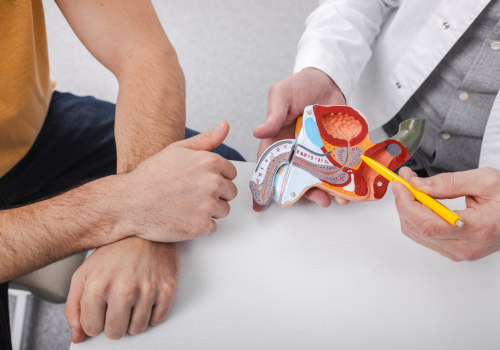
In the realm of sexual healthsexual health, performance anxiety can be a significant barrier to intimacy and satisfaction. It is an often misunderstood condition that affects countless individuals, regardless of age or experience. The pressure to perform can lead to a cycle of anxiety that not only diminishes sexual pleasure but also impacts relationships and overall well-being. Many people find themselves caught in a web of self-doubt, worrying about their abilities and fearing judgment from their partners. This can create a sense of isolation, as individuals believe they are alone in their struggles. , performance anxiety can be a significant barrier to intimacy and satisfaction. It is an often misunderstood condition that affects countless individuals, regardless of age or experience. The pressure to perform can lead to a cycle of anxiety that not only diminishes sexual pleasure but also impacts relationships and overall well-being. Many people find themselves caught in a web of self-doubt, worrying about their abilities and fearing judgment from their partners. This can create a sense of isolation, as individuals believe they are alone in their struggles.
However, understanding performance anxiety is the first step towards overcoming it. Recognizing the physiological and psychological factors at play can empower individuals to address their concerns head-on. In this article, we will delve deep into the intricacies of overcoming performance anxiety in the context of sexual health. We will explore effective strategies and psychological techniques designed to help individuals reclaim their confidence and enhance their sexual experiences. Whether you are seeking to improve your own sexual health or support a partner dealing with performance anxiety, this guide will provide valuable insights to pave the way for a more fulfilling intimate life. Performance anxiety is a widespread issue that many individuals face, particularly in the context of sexual health.
Imagine a scenario where you are preparing for an intimate moment, and instead of excitement, you feel a wave of dread wash over you. Your heart races, palms sweat, and negative thoughts flood your mind. This relatable experience is more common than one might think, especially among those seeking help from sex doctors. According to a study published in the Journal of Sexual Medicine, nearly 30% of men experience some form of performance anxiety at some point in their lives, highlighting the need to address this issue for better sexual health and relationships. The roots of performance anxiety can be both psychological and physiological.
Psychologically, the fear of not meeting one's or a partner's expectations can create a self-fulfilling prophecy where anxiety leads to underperformance. This can be exacerbated by societal pressures and unrealistic portrayals of sexual encounters in media. Physiologically, anxiety triggers the body's fight-or-flight response, leading to increased heart rate and muscle tension, which can hinder sexual arousal and performance. In many cases, individuals may find themselves facing conditions such as erectile dysfunction or low libido as a direct result of this anxiety. or low libido as a direct result of this anxiety.
These conditions often prompt individuals to seek professional help, further emphasizing the importance of addressing the underlying issues. To combat performance anxiety, several practical strategies can be employed. One effective method is the use of mindfulness techniques. By focusing on the present moment and observing one's thoughts without judgment, individuals can reduce anxiety levels. For instance, practicing deep breathing exercises before intimate moments can help calm nerves and redirect focus away from fear. Cognitive-behavioral therapy (CBT) is another valuable tool in overcoming performance anxiety.
CBT helps individuals identify and challenge negative thought patterns that contribute to their anxiety. For example, if someone believes that they must achieve perfection during sexual activity, a therapist can help reframe this belief into a more realistic perspective that emphasizes connection and enjoyment over performance. Communication with partners also plays a crucial role in alleviating performance anxiety. Openly discussing fears and expectations can foster understanding and reduce pressure. An example could be a couple who decides to talk candidly about their concerns before becoming intimate, which not only strengthens their emotional connection but also alleviates some of the performance-related pressures. Despite these strategies, some individuals may still feel hesitant to seek help for their performance anxiety.
It’s important to acknowledge this skepticism; many people worry about stigma or fear that their concerns will be dismissed. However, numerous testimonials illustrate that those who pursue professional support often experience significant improvement. For instance, John, a 35-year-old man who struggled with erectile dysfunction, found that after consulting with a sex doctor and engaging in therapy, he was able to overcome his anxiety and enhance his sexual experiences. Ultimately, consulting a sex doctor is crucial for personalized advice and treatment options tailored to individual needs. These professionals are equipped to provide comprehensive support that addresses both psychological and physiological aspects of , found that after consulting with a sex doctor and engaging in therapy, he was able to overcome his anxiety and enhance his sexual experiences. Ultimately, consulting a sex doctor is crucial for personalized advice and treatment options tailored to individual needs. These professionals are equipped to provide comprehensive support that addresses both psychological and physiological aspects of performance anxiety.
By recognizing the importance of seeking help and implementing effective strategies, individuals can take significant steps toward overcoming their anxiety and improving their overall sexual health.
When to Seek Professional Help
Recognizing the signs that indicate it's time to consult a sex doctor or therapist is crucial for anyone struggling with performance anxiety. While occasional anxiety before sexual encounters is normal, persistent feelings of dread can signal deeper issues. If you find yourself experiencing frequent anxiety during intimate moments, it may be time to seek professional guidance. Some key signs to consider include:- Experiencing persistent anxiety during sexual situations that disrupts your ability to engage or enjoy intimacy.
- Noticing a significant decline in your sexual desire or performance that has lasted for an extended period.
- Feeling overwhelmed by negative thoughts or self-doubt that affects your self-esteem and relationships.
- Having difficulty discussing these feelings with your partner or feeling isolated in your experiences.
Consulting with a sex doctor or therapist can provide personalized care and reassure you that you're not alone in this journey.
Practical Techniques for Overcoming Anxiety
Overcoming performance anxiety can be challenging, but with the right techniques, individuals can regain confidence and enhance their sexual health. Here are some practical methods that can easily be integrated into daily routines:1.Breathing Exercises: One of the simplest yet most effective methods to combat anxiety is through controlled breathing. Practicing deep breathing exercises can help calm the mind and body. To do this, find a quiet space, sit comfortably, and take a deep breath in through your nose for a count of four.Hold it for four counts, then exhale slowly through your mouth for a count of six. Repeat this process several times until you feel more relaxed.
2.Visualization:
Visualization techniques can also play a crucial role in overcoming performance anxiety. Spend a few moments each day imagining yourself in a relaxed state, successfully engaging in intimate moments without anxiety. Picture every detail: the environment, your feelings, and your partner's reactions.This mental rehearsal can help build confidence and reduce performance-related fears.
3.Positive Affirmations:
Incorporating positive affirmations into your daily routine can help shift your mindset. Create a list of affirmations that resonate with you, such as “I am confident in my abilities,” or “I embrace intimacy without fear.” Repeat these affirmations aloud each morning or whenever you feel anxiety creeping in. Consistent reinforcement of positive thoughts can help diminish negative self-talk. By implementing these techniques into their lives, individuals can take proactive steps towards overcoming performance anxiety, ultimately leading to improved sexual health and more fulfilling relationships.The Psychology Behind Performance Anxiety
Performance anxiety is a complex issue that many individuals face, and understanding its psychological underpinnings is crucial for overcoming it. At its core, performance anxiety often stems from a variety of mental triggers that can significantly impact an individual’s sexual health and overall well-being. One of the primary triggers is the fear of judgment.Many people worry about how they will be perceived by their partners during intimate moments. This fear can create a self-fulfilling prophecy; the more one worries about being judged, the more likely they are to experience anxiety that affects performance. In a society that often emphasizes perfection in sexual encounters, these fears can become overwhelming. Additionally, past experiences play a significant role in shaping how individuals approach sexual performance. Negative experiences, whether from previous relationships or even public settings, can leave lasting impressions.
For instance, if someone has faced criticism or ridicule in the past, they may find themselves replaying those moments in their minds, leading to increased anxiety in similar situations. Furthermore, societal pressures cannot be overlooked. The media often portrays unrealistic standards of sexual performance and body image, which can exacerbate feelings of inadequacy. Individuals may feel compelled to meet these standards, leading to heightened anxiety when they believe they fall short. By recognizing these mental triggers—fear of judgment, past experiences, and societal pressures—individuals can begin to address their performance anxiety more effectively. Acknowledging these psychological factors is the first step towards reclaiming confidence and enhancing sexual health.
Communicating with Your Partner
Open communication is a cornerstone of any healthy relationship, especially when it comes to sensitive topics like performance anxiety.It can be daunting to broach the subject, but discussing your feelings and experiences with your partner can foster understanding and support. Start by choosing a calm and private setting to have this conversation. Begin by expressing your feelings honestly, using 'I' statements to convey your experiences without placing blame. For instance, you might say, 'I feel anxious during intimate moments, and I want to share this with you because our connection means a lot to me.'Encourage your partner to share their thoughts and feelings as well. This reciprocal dialogue can help both partners understand that they are not alone in their experiences and that performance anxiety is a common issue. Discussing performance anxiety openly allows for reassurance and emotional support.
Let your partner know how they can help you during these moments, whether it’s through gentle encouragement or simply being present without pressure. You might say something like, 'It helps me when you reassure me that it’s okay to take our time.'Lastly, consider setting aside time to explore intimacy without the pressure of performance. This can help both partners feel more relaxed and connected, reducing anxiety over time. Engaging in activities that promote closeness—like cuddling or massage—can build intimacy and strengthen your relationship. Ultimately, the goal of discussing performance anxiety is to create a safe space where both partners feel supported and understood.
By working together, you can navigate these challenges and enhance both your sexual health and overall relationship. In conclusion, we have explored the multifaceted nature of performance anxiety, delving into its psychological underpinnings and practical techniques for overcoming it. We highlighted how common this issue is, affecting many individuals who seek assistance from sexual health professionals. By addressing performance anxiety, individuals can significantly enhance their sexual health and foster deeper connections within their relationships. The journey towards overcoming performance anxiety is not just about managing stress; it’s about cultivating a healthier mindset that can lead to improved intimacy and satisfaction. We encourage readers to take proactive steps towards managing their anxiety, whether through self-help strategies or open communication with their partners.
Remember, seeking professional guidance can provide personalized support tailored to your unique experiences. Ultimately, by acknowledging and addressing performance anxiety, you are taking a vital step towards a more fulfilling and confident sexual life.